If you want a Toronto neighborhood where the lake is part of your everyday routine, Long Branch deserves a closer look. This southwest waterfront pocket offers a mix of quiet residential streets, practical transit, and easy access to parks and shoreline spaces that can shape how you spend your day. Whether you are thinking about moving here or simply comparing west-end neighborhoods, this guide will show you what daily life in Long Branch actually feels like. Let’s dive in.
What Long Branch Feels Like
Long Branch sits on Toronto’s southwest waterfront edge, bounded roughly by Lake Ontario to the south, the rail corridor to the north, 23rd Street to the east, and 42nd Street, Marie Curtis Park, and Etobicoke Creek to the west, according to the City of Toronto’s neighbourhood planning materials. That location gives you a distinct mix of lake access and city convenience.
The neighborhood has deep roots. The City notes that Long Branch began as a late-1800s resort and cottage settlement, gained streetcar access in 1895, and was largely built out by 1920. That history still shows up today in its established street pattern, mature character, and older housing stock.
Unlike some waterfront areas that feel newly built or heavily reshaped, Long Branch generally reads as grounded and residential. City planning guidelines also emphasize that change should be context-sensitive and gradual, which helps explain why the area still feels cohesive.
Housing Has an Established Feel
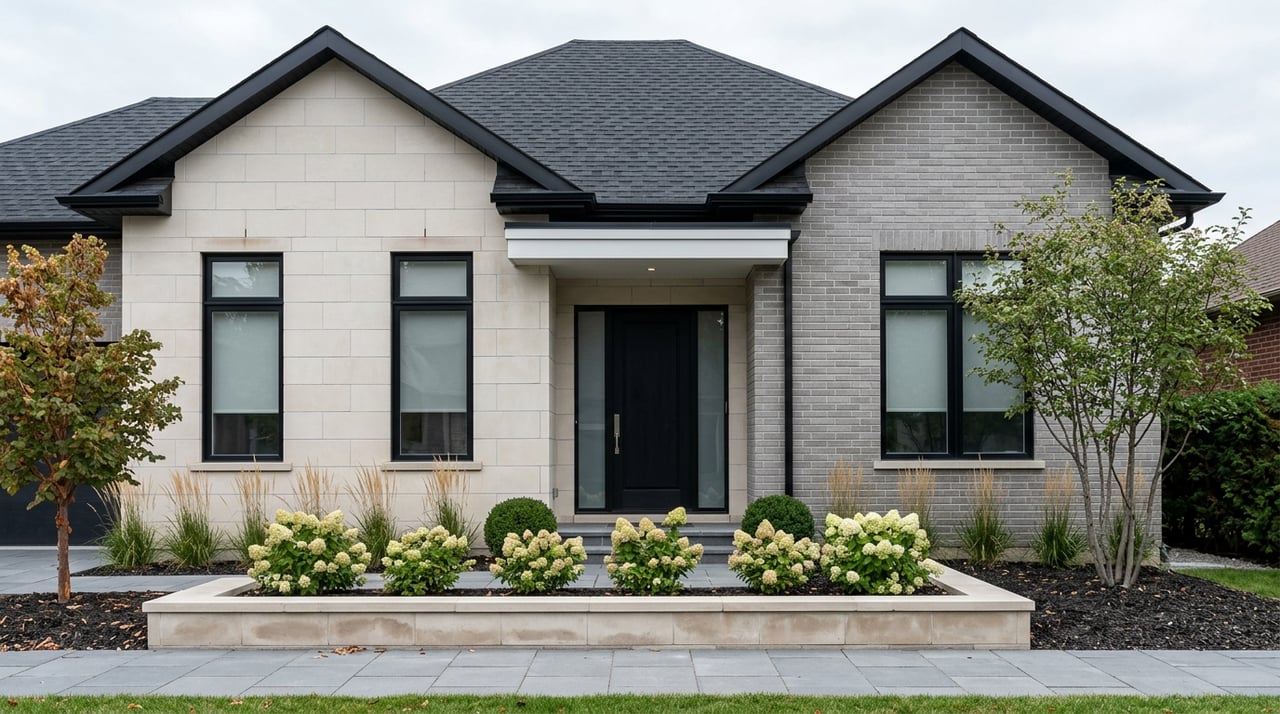
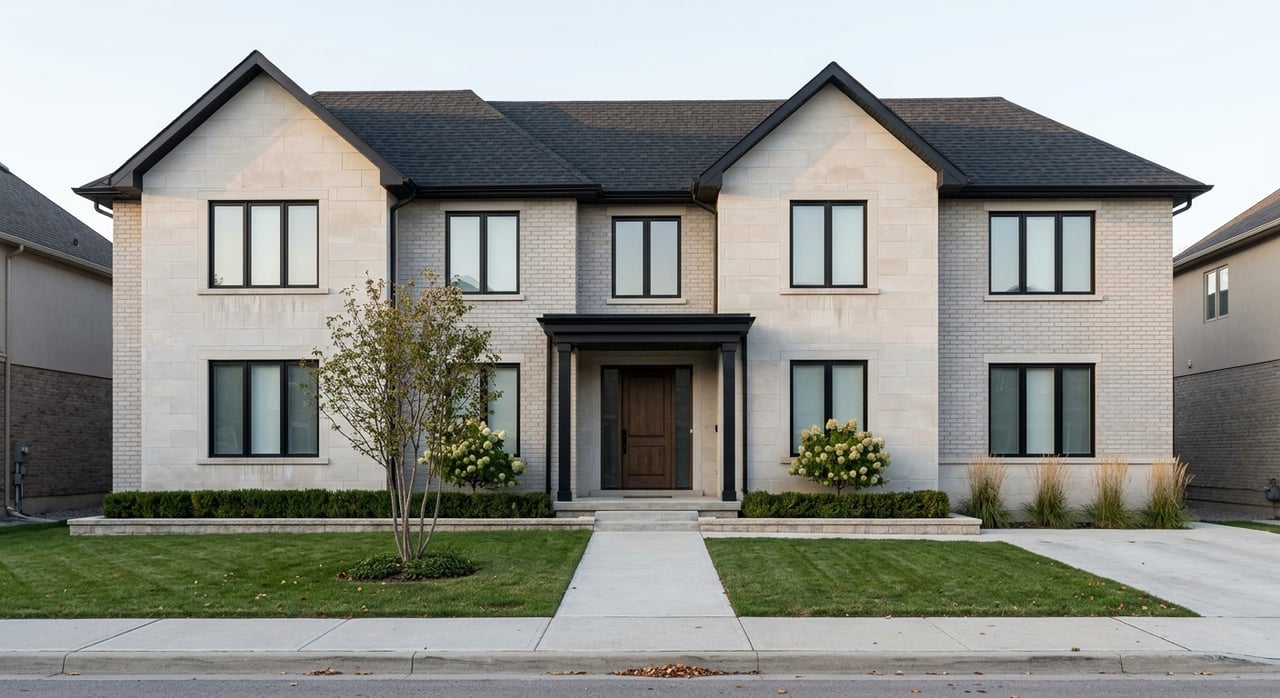
One of the first things you may notice in Long Branch is that it remains mostly low-rise and ground-related. In the City’s 2016 neighbourhood profile, 47% of homes were single-detached, followed by 27% semi-detached, with smaller shares of row houses, duplexes, and apartments. That housing mix gives the area a more traditional residential feel than many denser Toronto neighborhoods.
For you as a buyer or seller, that often means a varied streetscape. Some blocks feature older detached homes on moderate-to-wide lots, while others include semis, smaller multi-unit buildings, and pockets of newer infill. The result is a neighborhood that feels established rather than uniform.
There is also a mixed-use pocket along Lake Shore Boulevard West, which helps connect residential life to shops and services. If you like the idea of living in a lower-rise waterfront area without giving up day-to-day convenience, this balance is part of Long Branch’s appeal.
The Lake Is Part of Daily Life
In Long Branch, the waterfront is not just a backdrop. It becomes part of how you walk, relax, exercise, and spend time outdoors.
The shoreline here is a mix of rocky edges, private rear-yard access, parkettes, and public open spaces, according to the City’s planning report. That means the lakefront feels less like one continuous urban beach strip and more like a sequence of access points and views.
This setup gives the neighborhood a quieter, more tucked-in waterfront feel. Instead of one crowded destination, you get several places where the lake appears naturally in everyday life.
Marie Curtis Park anchors the waterfront
Long Branch’s standout public waterfront space is Marie Curtis Park. The Toronto and Region Conservation Authority describes it as a 34-hectare park with a public beach, wading pool, splash pad, playground, picnic areas, off-leash dog area, trails, and a connection to the Waterfront Trail.
That range of amenities matters in real life. You can head out for a morning walk, bring kids to the splash pad, meet friends for a picnic, or take your dog to the off-leash area without leaving the neighborhood. TRCA also notes that the park is about a five-minute walk from Long Branch GO Station, which is a rare convenience for a waterfront park.
The City also lists Marie Curtis Park East Beach as a supervised swimming beach. If easy access to the water is high on your list, that is a meaningful local advantage.
Smaller parks add lake access
Beyond Marie Curtis Park, Long Branch Park, Len Ford Park, and parkettes along Lake Promenade create additional public access points and lake views. These smaller spaces may not be large destination parks, but they support the kind of quick, everyday use that many people want close to home.
You do not always need a full afternoon plan to enjoy the waterfront here. Sometimes it is just a short walk, a few minutes on a bench, or a detour to catch the lake before heading back to the rest of your day.
Transit Is a Major Practical Advantage
A lot of waterfront neighborhoods ask you to trade convenience for lifestyle. Long Branch stands out because transit is one of its strongest practical features.
According to the TTC’s latest service update, 507 Long Branch streetcars run to Humber Loop until 10 p.m., while 501 Queen provides later evening service from Long Branch Loop toward downtown. The 508 Lake Shore also offers direct peak-period trips downtown.
If you commute, that layered service can make a real difference. You have streetcar options built into the neighborhood, and TTC transfer information also lists connections at Long Branch GO Station to routes including 110 Islington, 123 Sherway, 501 Queen, and 508 Lake Shore.
GO access supports west and downtown travel
Long Branch GO Station adds another layer of flexibility, especially if you want regional access. Metrolinx reports that the station is being upgraded with new east and west entrances, elevators, tunnels, washrooms, waiting areas, bike storage, and other accessibility improvements.
Metrolinx also says the GO Expansion program is aimed at more frequent Lakeshore West service. For buyers weighing commute options, that kind of investment can strengthen the neighborhood’s long-term convenience.
One practical note: the TTC says track renewal at Long Branch Loop is expected to begin as early as June 2026, which could temporarily affect local streetcar service. It is worth keeping an eye on service notices if transit is central to your routine.
Lake Shore West Handles Daily Errands
Long Branch is not just about shoreline access. It also works well as a day-to-day neighborhood because many essentials are concentrated along Lake Shore Boulevard West.
The Long Branch BIA area runs from 22nd Street to Long Branch Avenue and includes retail, services, restaurants, and the annual Long Branch Fest. That commercial strip gives the neighborhood a practical spine where errands, meals, and local services are close at hand.
You also have access to a library, child care, community institutions, and nearby Humber College Lakeshore Campus. In simple terms, Long Branch offers a residential setting where quieter side streets and everyday convenience are closely linked.
Why Long Branch Appeals to Buyers
For many buyers, Long Branch offers a hard-to-find combination. You get lake access, established housing, and strong transit connections in a neighborhood that still feels residential.
If you are moving from a condo or denser urban pocket, Long Branch may offer more breathing room while keeping transit and everyday amenities within reach. If you are already focused on west-end or lake-adjacent neighborhoods, it is the kind of place that can feel more livable the longer you spend time there.
It can also appeal to buyers who value character over sameness. The mix of older homes, varied lot fabric, and gradual change gives the area a more layered feel than neighborhoods dominated by one housing type or one era of development.
What to Keep in Mind
Long Branch’s waterfront is appealing, but it is not one uninterrupted public shoreline. Because the edge includes private rear yards, rocky sections, and scattered open spaces, your lake access often comes through parks, parkettes, and specific public entry points.
That is not necessarily a drawback. For many people, it is part of what makes the area feel quieter and less overbuilt. Still, if you are comparing waterfront neighborhoods, it helps to understand that Long Branch offers a more distributed shoreline experience.
Housing is also varied from block to block. That is part of the charm, but it means local context matters when you evaluate value, future resale, and how a specific property fits your goals.
Long Branch at a Glance
Here is a simple way to think about everyday life in the neighborhood:
| Feature | What It Means for You |
|---|---|
| Waterfront access | Parks, beach access, trails, and lake views are part of regular life |
| Housing mix | Mostly detached and semi-detached homes in a low-rise setting |
| Transit | Streetcar and GO options support commuting and city access |
| Main commercial strip | Lake Shore West covers many daily errands and services |
| Neighborhood feel | Established, residential, and shaped by gradual change |
If you are considering a move in South Etobicoke, Long Branch is worth evaluating in person and block by block. The details matter, and that is where local guidance can make a real difference. If you want thoughtful, data-informed advice on Long Branch or other lake-adjacent neighborhoods in the west GTA, connect with Todd Armstrong for a straightforward conversation.
FAQs
What is everyday life like in Long Branch near the lake?
- Everyday life in Long Branch often blends quiet residential streets with easy access to parks, lake views, shoreline paths, and daily amenities along Lake Shore Boulevard West.
How do you get around from Long Branch, Toronto?
- Long Branch offers TTC streetcar service, bus connections, and GO access, with Long Branch GO Station also undergoing upgrades aimed at improving accessibility and convenience.
What types of homes are common in Long Branch?
- Based on the City’s 2016 profile, Long Branch is mostly made up of single-detached and semi-detached homes, with smaller shares of row houses, duplexes, and apartments.
What parks and waterfront spaces are in Long Branch?
- Marie Curtis Park is the signature waterfront destination, and the neighborhood also includes Long Branch Park, Len Ford Park, and smaller parkettes along the shoreline.
Is Long Branch a good fit if you want both lake access and city convenience?
- Long Branch can be a strong fit if you want an established low-rise neighborhood with practical transit options, local shopping and services, and regular access to the waterfront.